Statins have few side effects
February 17, 2026

Summary: A large meta-analysis found that statins are associated with very few significant adverse effects, reinforcing their role as a safe, low-cost strategy to reduce cardiovascular risk.
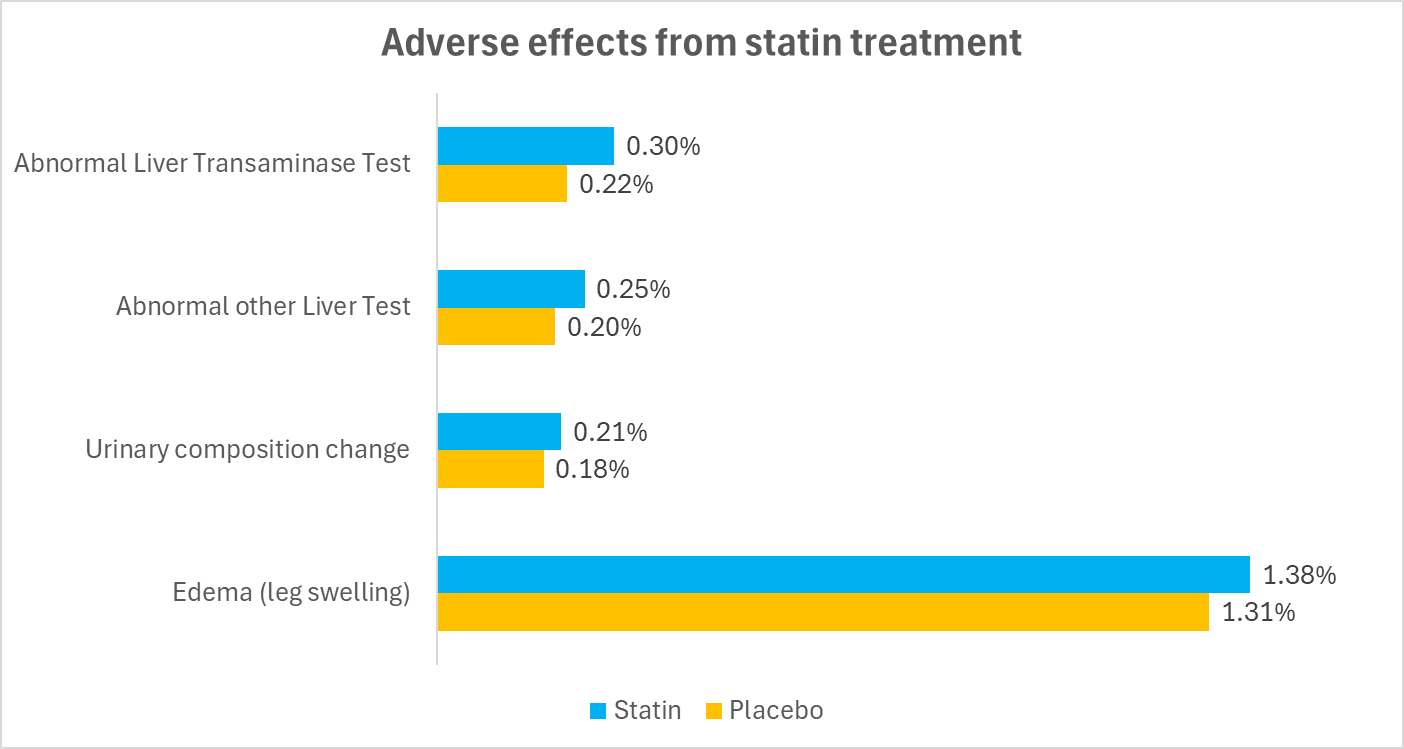
Source: Reith, C et al Assessment of adverse effects attributed to statin therapy in product labels: a meta-analysis of double-blind randomised controlled trials The Lancet, February 14, 2026
Statins such as atorvastatin (Lipitor) and rosuvastatin (Crestor) are highly effective at lowering LDL, or “bad,” cholesterol and have been shown to reduce the risk of major adverse cardiovascular events and improve survival. The entire class is now available in generic form, making treatment relatively inexpensive.
Lifestyle changes, including diet, exercise, and weight loss, can improve cholesterol levels and cardiovascular risk. However, many adults over age 50 have cholesterol levels that warrant pharmacologic treatment to meaningfully reduce cardiac risk. As with other chronic metabolic conditions such as diabetes and hypertension, patients who begin statin therapy generally need to continue treatment long term (i.e. over years) to sustain risk reduction.
Despite their benefits, statins have a long list of potential side effects in product labeling, which discourages some patients from initiating or continuing therapy.
A meta-analysis published last week in The Lancet examined individual participant data from 19 large (over 1000 participants), long-term (2+ years), double-blind randomized statin trials involving approximately 123,940 patients. The investigators evaluated all recorded adverse events to determine which were more common among patients receiving statins compared with placebo.
The findings were reassuring. Of 66 adverse outcomes attributed to statins in product labels, only four were statistically significantly more common with statin therapy, and all were rare. The study did not find a statistically significant increase in new-onset type 2 diabetes in these trials, addressing one of the more common safety concerns raised by clinicians and patients.
Newer lipid-lowering therapies are also available, including injectable agents that can last up to six months. These medications are substantially more expensive than generic statins and do not yet have the same decades-long safety record.
Implications for Employers
Statins are safe, low-cost medications that substantially reduce the risk of cardiovascular events in high-risk and medium-risk populations.
Statins are not recommended as a routine preventive medication for low risk individuals.
Employers can request data from their carriers on statin use among high-risk members, including those with diabetes or established cardiovascular disease, to identify potential gaps in evidence-based treatment.